
My husband often says that my parents spoiled me. He has absolutely no justification for his claim except that they never forced me to learn my mother tongue, Malayalam. He proudly narrates how his mother fined him when he came back from boarding school if he slipped into English, making him fluent in Malayalam. I’ve counter-argued that he should employ the same methods himself and teach our kids Malayalam, but then this cunning linguist insists it wouldn’t work because it wouldn’t be the “mother” tongue in that case. I know the real reason he won’t try it. He just can’t be bothered adding something on his pitifully small parenting to-do list.
I don’t speak Malayalam fluently but there is just one phrase that I know and say perfectly because it’s seared in my brain. Translated it means – It’s not enough to have eyes, one must see.
The listener of this phrase in my household is most often meant to be my husband. But luckily, just as he suffers from domestic blindness and the inability to see anything right in front of him when not in a work setting, the poor, differently-abled man also seems to suffer from domestic deafness, so he continues to believe that I can’t speak a word of Malayalam!
Why is it that the only phrase I know in my mother tongue is this one? It’s because I remember hearing it multiple times growing up. Which probably means I suffered from this curious case of domestic blindness too, at some point. What then has changed? I think I can scientifically attribute my improved eyesight to motherhood.
I believe my eyesight has improved dramatically as a mum. I can spot when a hiccough is about to turn into a throw-up… and with more agility than I ever knew I had, I can dive halfway across the room to prevent it spilling onto the floor. It’s not just eyesight, all my Spidey senses seem heightened. I could sniff out a stinky diaper before the deed was done, my hand is more accurate than a thermometer and the list goes on!
When I was a kid, I often dreamt of waking up one day and discovering I had superpowers. Turns out that motherhood has made that dream come true for me… though sometimes it feels like a nightmare. I think I speak for most mums when I say that this extra sensory perception of knowing what’s needed by our kids and in our homes becomes a yoke for us. The invisible workload that mothers carry (even in the most equitable households) requires superhuman strength, patience and sacrifice. Mothers invariably end up picking up more than their fair share of the domestic load simply because they can. No matter what fancy designation the father holds in the office, at home, it’s often mums who are product researchers, food safety auditors, risk compliance officers, inventory and logistics managers, executive assistants, travel desk coordinators, counsellors, coaches, cheerleaders, nurses… you get the general drift!
So what can we do about it? I have a few suggestions that I believe will help lighten the load that all mothers seem to carry.
Make this invisible workload visible. Pointing out what needs to be done in the house to our partners and our children will eventually help them realise things that they take for granted don’t just happen.
If mums have the option, the opportunity, and the good fortune to, they should find a job or start a business, no matter whether it’s paid or voluntary, full-time or part-time, remote or onsite. It could enhance their sense of self to be seen as more than a mother. I know it sounds counterproductive but I’ve noticed that having an additional responsibility takes away the time a mum can devote to her domestic duties. When Mummy isn’t there to do it, Daddy (and the kids) are often forced to step up.
Use notes, apps, planners, calendars and all the paraphernalia available. It helps when we don’t need to rely solely on our memory and writing things down can help make planning and delegation more efficient.
Meditate. Because of the mental load mothers carry, our minds are always working overtime. Give them some space to just be silent and devoid of thoughts. It also ends up helping us with our emotional overload, especially for mothers who are prone to anxiety, perfection and people-pleasing.
In the same vein, we all need to find time for ourselves to do things we enjoy – our hobbies, our workouts or even getting a well-earned massage.
Sometimes, to teach our partners and kids to be considerate, we have to be positively selfish. So, all mums out there, I have some advice for you – sit back and absolutely refuse to intervene until your husband can hear the baby’s screams, your son can find the school library book that needs returning, your daughter can comb her hair to her satisfaction. Wear earplugs, uncork some wine, kick your feet up and take a load off! You’ve more than earned it.
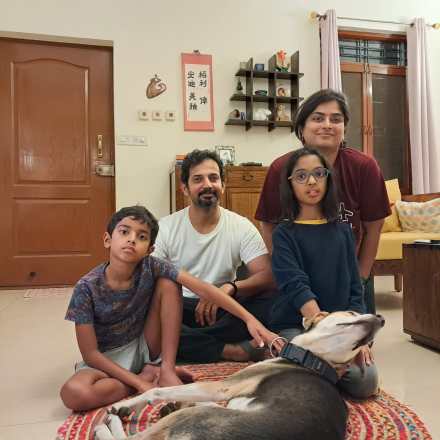

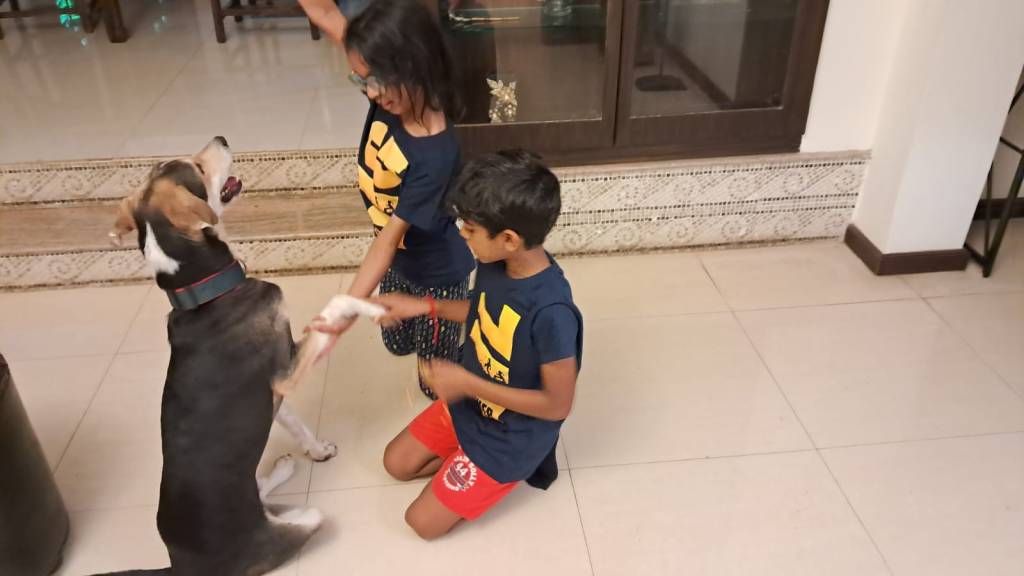


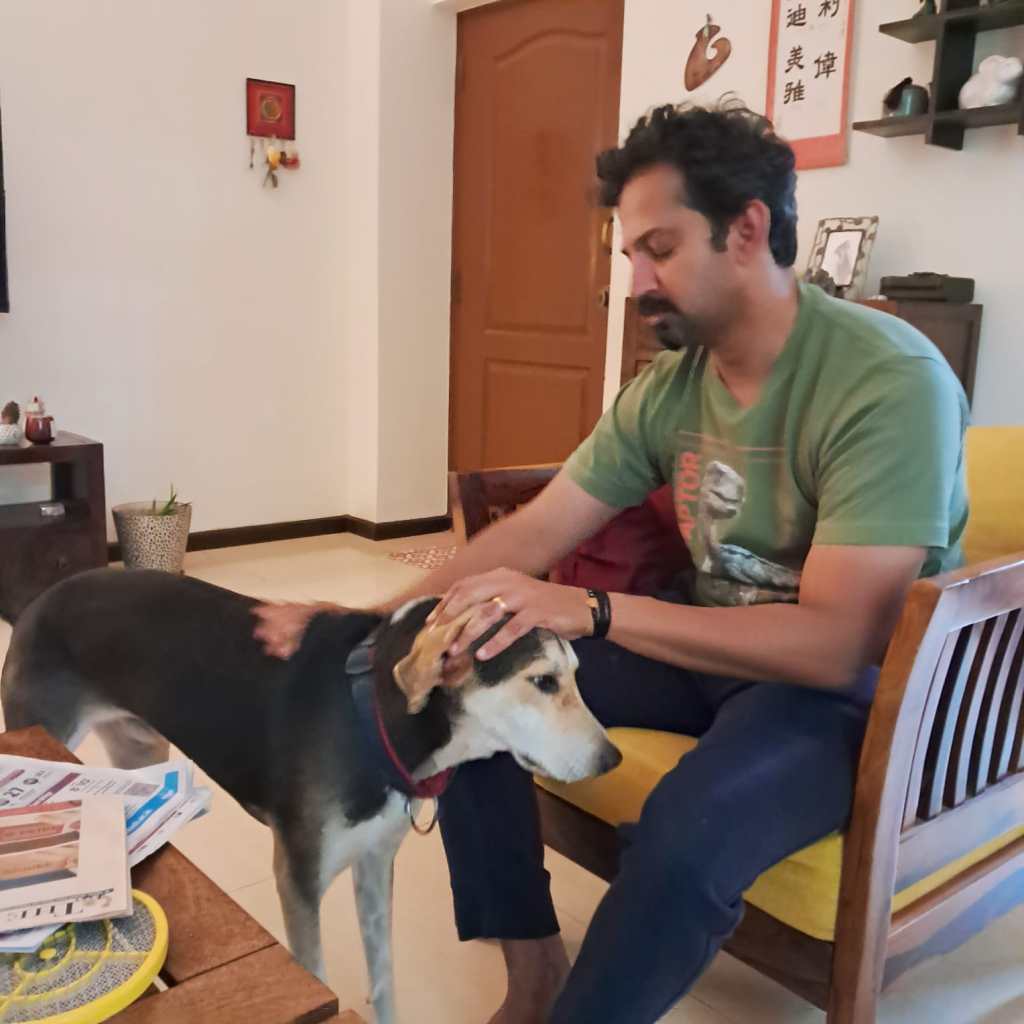


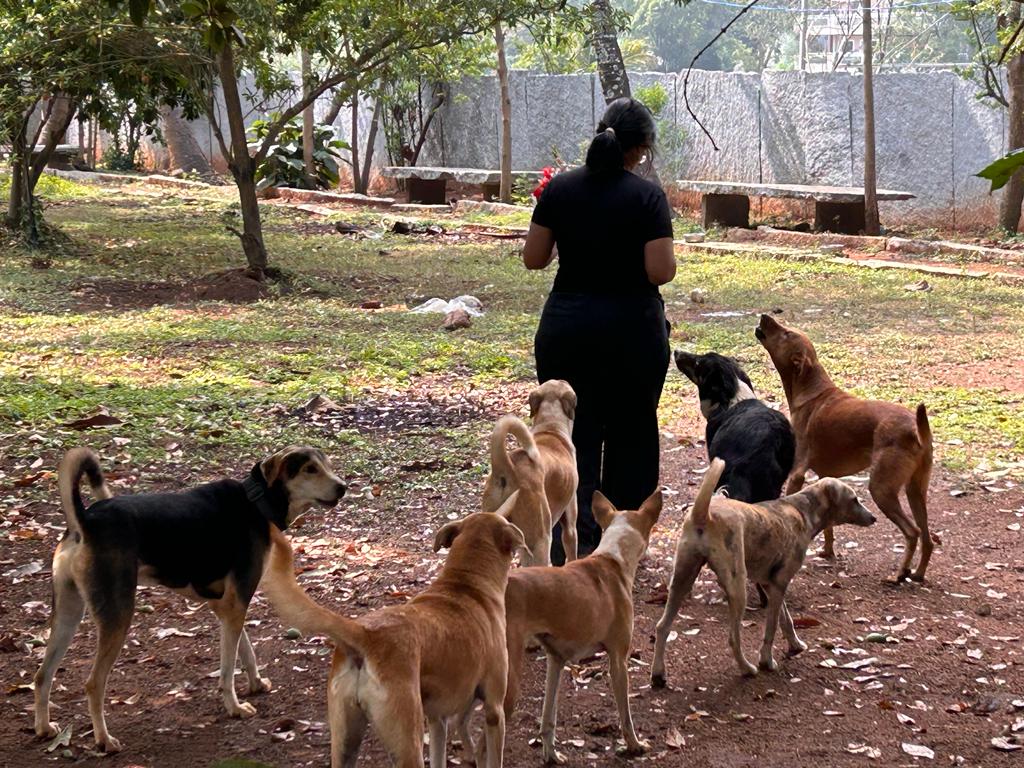
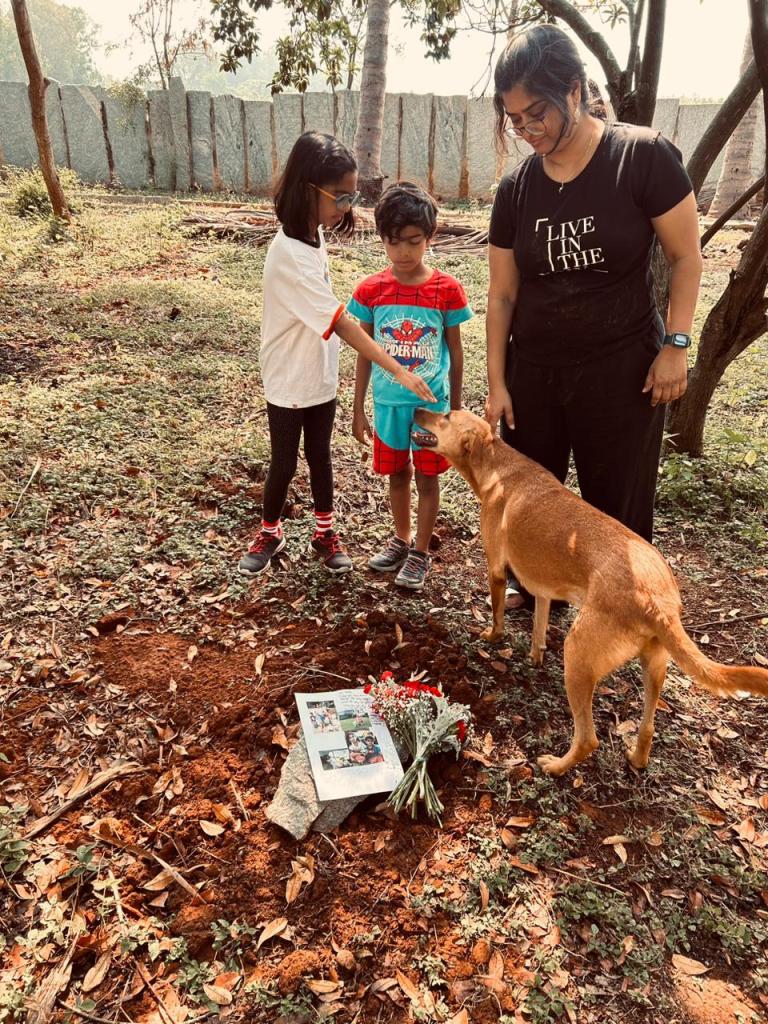
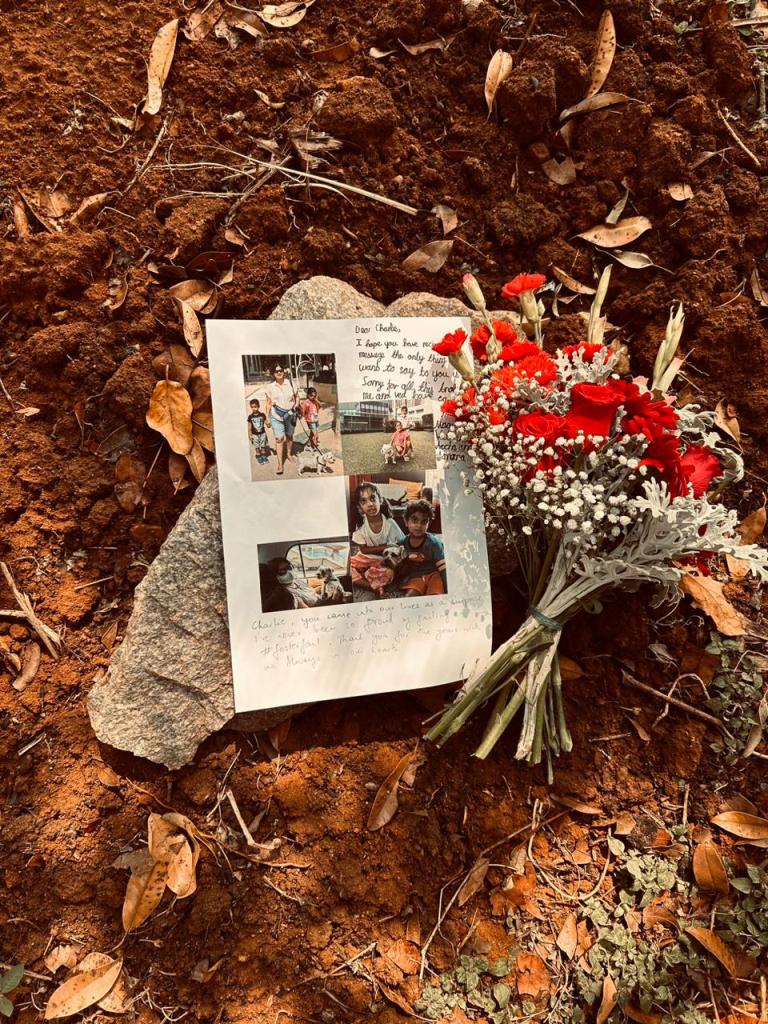

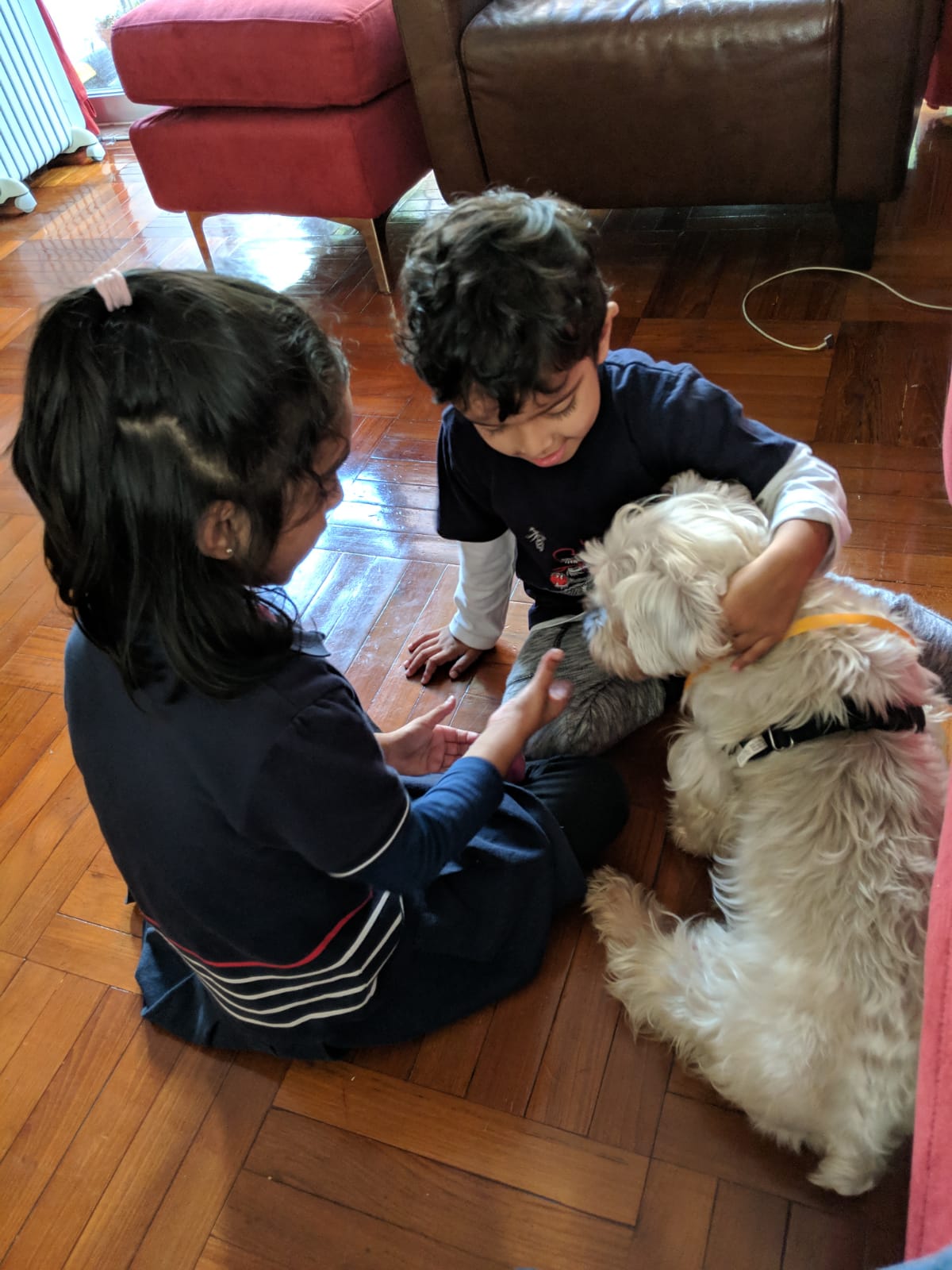

 As he lay there, scared and whimpering, he quickly worked out that William was top dog and he would be wise to learn from him. He didn’t have William’s regal looks and upbringing and found it less easy to be accepted by the people of the colony, except for the most devoted dog-lovers. William accepted him as part of his pack, rather reluctantly, and barked out his commands to Milo who followed with unwavering devotion, the way only dogs can. Milo was a born and bred streetie and he had steel running through his muscles. As he grew bigger and stronger, Milo’s territorial instinct kicked in and he started ‘guarding’ our colony by chasing away milkmen and newspaper boys. The people of the colony objected and Milo was in danger of being put down. A few of us found a neighbour who owned a factory and convinced him that he needed a guard dog. Milo went to live there and very soon, he put William’s lessons to good use and became the leader of the pack there. When I visited him last, he was using his natural instincts and build to keep slum-dwellers from squatting on the factory premises. Divine or canine justice, I would think!
 So when I hug him and kiss him and roll on the floor with him, he endures these excesses of affection with stoic, suffering silence. Don’t let this fool you. Barista is and was insanely obsessed with me. If I ever left him alone at home, he would wreck it. I used to spend thousands of rupees Barista-proofing each rented apartment I moved into as I figured out how to deal with a dog who suffered acute separation anxiety when I wasn’t around and lip-curling contempt for me when I was! My favourite explanation of his split-personality-like behaviour came from a friend of mine. That was the time that a film called PK had released in India. It was about an alien lost in India who was desperate to get back home, but had lost the device he needed to communicate with his planet. This friend insisted that every time I left the house, Barista was wrecking it in his effort to find the device to get back home. Because with his no-bark, no-lick, no-expression policy, he was clearly not canine. Just a poor lost alien, desperate to escape a dangerously besotted human!
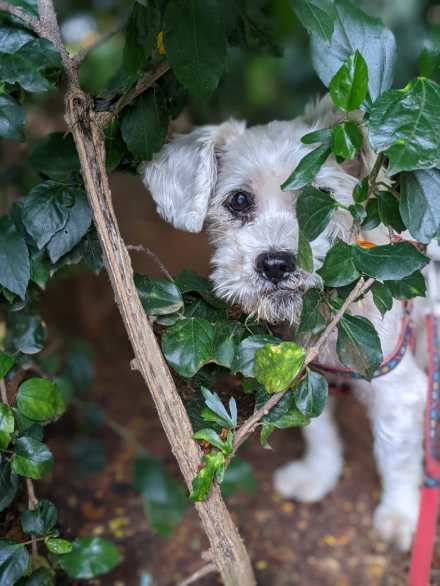
 Charlie has clearly never taken a look at the mirror because he believes that he is more bad-ass than any dog out there. Walking him is a nightmare because he tears down the street pulling someone 10 times his weight with ease. In the first two weeks of fostering him, I’ve signed up for a dog training course and am reading Cesar Millan’s books cover to cover, but nothing I’m doing seems to work. While I don’t mind the run around (I definitely could do with the workout!), I am really afraid of the fights he picks with other dogs. Thankfully, most of them ignore him because he looks like a slightly oversized rat. My first dog, Terry, was a bull terrier, supposedly called the gladiator of the canine species though I never saw any signs of it. Charlie, unfortunately seems to have taken on the gladiator persona. Ah well, I guess I may have to rename him when we formally adopt him. I’m thinking of Dufferus Maximus.





 The Rants of Ants